


From Pixels to Insights: Understanding Image Annotation Services
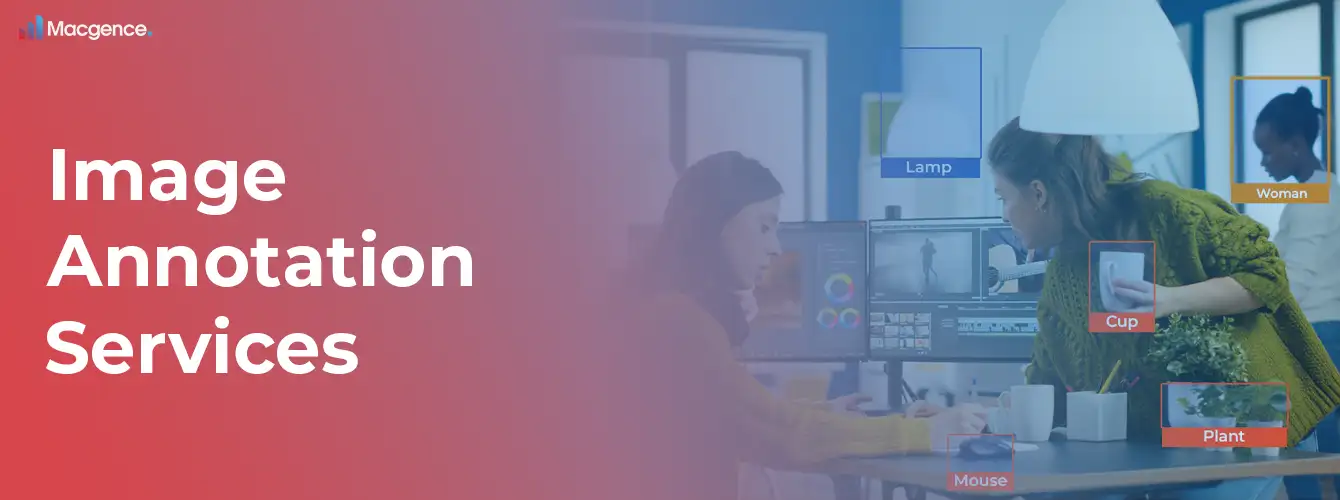
Ever wondered how computers understand what’s in pictures? That’s where image annotation service step in. They’re specialized tools that help computers interpret images. Image annotation services are specialized tools designed to assist computers in understanding the content of images. Through a meticulous labeling process, these services provide metadata that describes the objects, shapes, or features present within an image.
History of image annotation services:
Image annotation service have a pretty cool backstory that goes back to when people were figuring out how computers can understand pictures better. At first, annotating images was a really slow process. That’s when automated tools and fancy algorithms came into play.
They made the whole annotation process much faster and didn’t rely as much on people doing it manually. Then, things got even more interesting with the rise of crowdsourcing platforms. These platforms let lots of people work together to label tons of images quickly and accurately. And as artificial intelligence and machine learning got even more advanced, image annotation services got even better. Nowadays, they’re super important in tons of industries because they help train computer programs, make computer vision systems smarter, and let us analyze visual data in all sorts of cool ways.
Features of image annotation services:

Image annotation services come packed with some pretty neat features that make them super useful for all sorts of tasks. Let’s break them down:
- Annotation Variety: These services offer different ways to label images, like drawing boxes around objects or outlining shapes. This variety helps cover all sorts of labelling needs.
- Quality Control: To make sure the labels are spot-on, image annotation services have quality checks in place. They might double-check labels or have multiple people verify them to ensure accuracy.
- Data Security: These services keep your data safe from unauthorized access.
- Essential Tools: Image annotation services are crucial for businesses and researchers, helping them understand visual data better and enhance their projects.
Advantages of image annotation services:
Let’s talk about what makes image annotation services stand out:
- Help Computers “See” Better: These services add labels to images so computers can understand them.
- Gets the Job Done Faster: Instead of manually labeling each image, these services speed through it, acting like a fast assistant to help you finish tasks in no time.
- Error-Free Labels: You can rely on these services for accurate labeling. They carefully review everything to ensure no mistakes slip through.
- Consistently Reliable: Image annotation services always delivers the best results. You can rely on them to provide accurate labels every time you use them.
In short, image annotation services make working with images a breeze. They help computers understand what’s in them, save you time, and ensure accuracy, making them a valuable tool for any project.
Real life applications of image annotation services:

- Online Shopping: Image annotation services help websites suggest similar items by understanding what’s in the pictures, making shopping easier for you.
- Medical Diagnosis: Doctors use to label things like tumors or broken bones in X-rays, aiding in better treatment decisions.
- Self-Driving Cars: These services enable cars to identify people, stop signs, and other vehicles on the road for safe driving.
- Farming Assistance: Farmers utilize drones and satellites to monitor crops, labeling crop locations, pests, and weeds, improving crop management.
- Keeping Places Safe: Security cameras use image annotation services too. They can label things like people, cars, and anything that looks suspicious, helping security teams keep places safe.
So, you see, image annotation service are pretty handy in lots of different ways. They help computers understand pictures better, making life easier and safer for all of us.
Get started with Macgence:
Curious about how Macgence can help you? Check out our website, Macgence. We’re all about giving businesses and researchers tools to handle visual data well.
Our team offers personalized annotation services to meet your goals. Partner with us to unlock your data’s full potential and move your projects forward confidently.
Ready to explore? Visit our website and reach out to us for more info!
FAQs
Ans: – Image annotation is like putting names on pictures so computers can understand them better. These names describe what’s in the picture, like if there’s a cat, a house, or a ball, helping computers make sense of what they’re seeing.
Ans: – Annotation services are really helpful because they help computers understand pictures better. This is important for lots of things, like making cars that can drive themselves, helping doctors look at X-rays, and making online shopping easier. By putting clear labels on pictures, these services make sure computers can do their jobs well and get things right. So, they’re a big help in lots of situations.
Ans: – Image annotation service are really useful because they help you save time and make your work easier by automatically labeling pictures. They also make sure the labels are right, so you can trust the information.
 Previous Blog


You Might Like

February 18, 2026
Prebuilt vs Custom AI Training Datasets: Which One Should You Choose?
Data is the fuel that powers artificial intelligence. But just like premium fuel vs. regular unleaded makes a difference in a high-performance engine, the type of data you feed your AI model dictates how well it runs. The global market for AI training datasets is booming, with companies offering everything from generic image libraries to […]

February 17, 2026
Building an AI Dataset? Here’s the Real Timeline Breakdown
We often hear that data is the new oil, but raw data is actually more like crude oil. It’s valuable, but you can’t put it directly into the engine. It needs to be refined. In the world of artificial intelligence, that refinement process is the creation of high-quality datasets. AI models are only as good […]
February 16, 2026
The Hidden Cost of Poorly Labeled Data in Production AI Systems
When an AI system fails in production, the immediate instinct is to blame the model architecture. Teams scramble to tweak hyperparameters, add layers, or switch algorithms entirely. But more often than not, the culprit isn’t the code—it’s the data used to teach it. While companies pour resources into hiring top-tier data scientists and acquiring expensive […]