


Mastering Teleoperation Data Annotation for Robotics
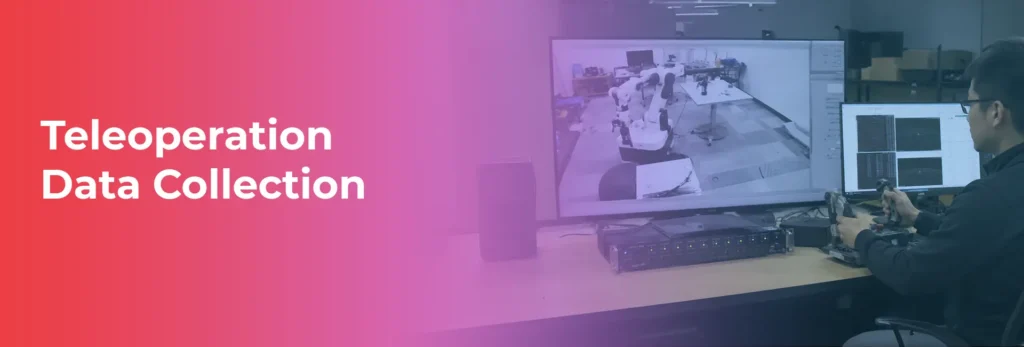
The demand for intelligent robotics and autonomous systems is accelerating at an unprecedented rate. As machines take on increasingly complex tasks, developers face a significant hurdle: teaching robots how to navigate the unpredictable nature of real-world environments. Teleoperation bridges the gap between human intelligence and machine learning by allowing humans to guide robots through specific […]
Choosing the Right Image Annotation Companies for AI Growth
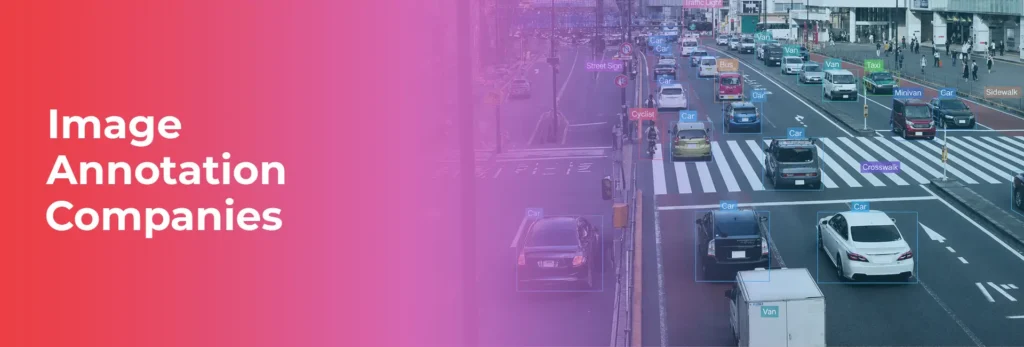
Behind every successful computer vision model is an enormous volume of high-quality labeled data. AI systems depend entirely on this foundational layer to understand, interpret, and react to the visual world. Image annotation serves as the bedrock of computer vision. Without it, the sophisticated algorithms powering modern technology simply cannot function. Countless industries rely heavily […]
Why Teleoperation Data Collection Is Critical for AI-Powered Robotics?

Teleoperation lets a human operator remotely control a robot, drone, or vehicle from a distance, often using cameras, sensors, and a control interface. As robotics and autonomous systems move from labs into warehouses, farms, and city streets, they need vast amounts of real-world operational data to learn from. That’s where teleoperation data collection comes in. […]
Robot Training Data Strategy: Building Smarter AI for Autonomous Systems

TL;DR: A robot training data strategy is a structured plan for collecting, annotating, validating, and continuously improving the datasets that power robotic AI systems. Without one, robots struggle with unreliable perception, unsafe behavior, and poor real-world performance. Companies like Macgence help organizations build the high-quality, multi-modal datasets that modern robotics demands. Robotics is no longer […]
Egocentric Video Annotation: Powering Embodied AI
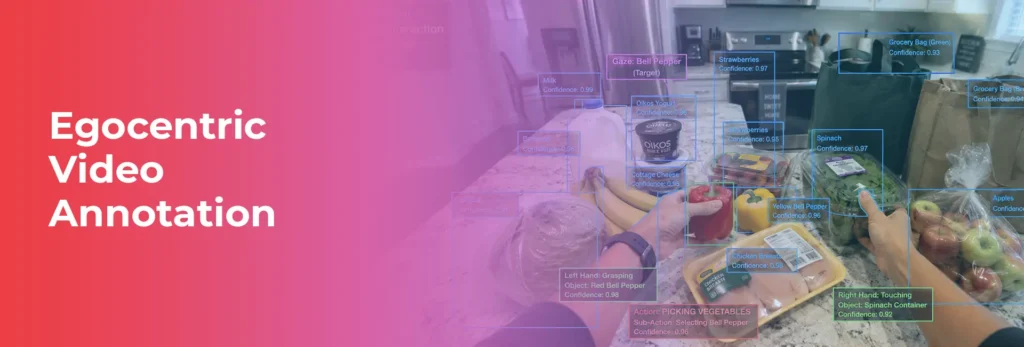
The demand for embodied AI and robot learning is growing rapidly. Developers are shifting their focus from AI that simply observes the world to systems that actively interact with it. To achieve this, models need a different kind of training data. They need to see the world exactly as we do. Traditional third-person video datasets […]
Radiology Image Annotation: Building Accurate Medical AI
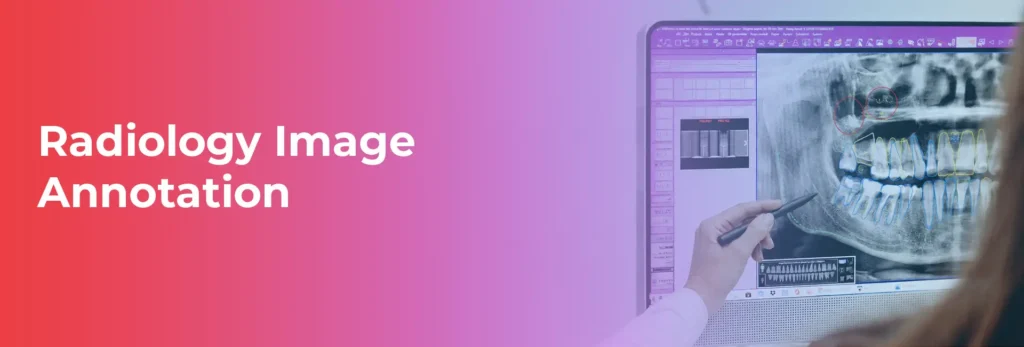
The adoption of artificial intelligence in medical imaging and diagnostics is accelerating rapidly. Healthcare organizations and AI startups are developing powerful tools to detect diseases earlier, improve patient outcomes, and streamline clinical workflows. However, the performance of these machine learning models relies entirely on the quality of their training data. High-quality medical imaging data is […]
Physical AI Datasets: The Foundation of Real-World Intelligent Systems
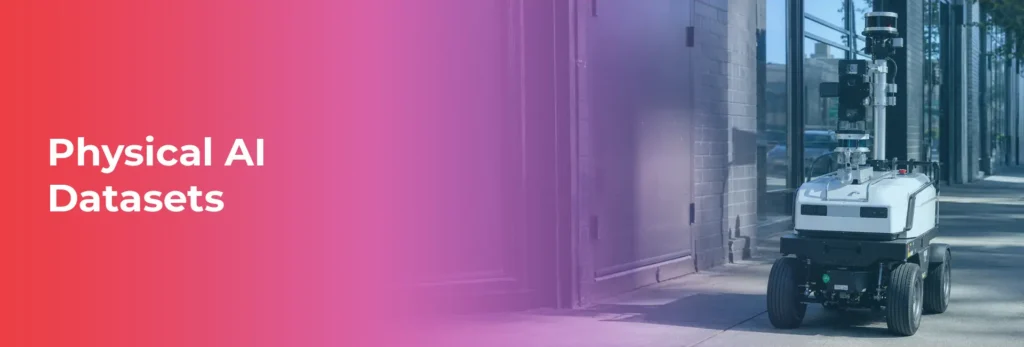
Traditional artificial intelligence systems have long operated entirely within the digital realm, processing text, generating images, and analyzing virtual data. However, a major shift is occurring as intelligent systems step out of the digital space and into the physical environment. This new era of Physical AI powers the machines that interact with our world—from self-driving […]
Building Global AI with Multilingual Audio Annotation Services
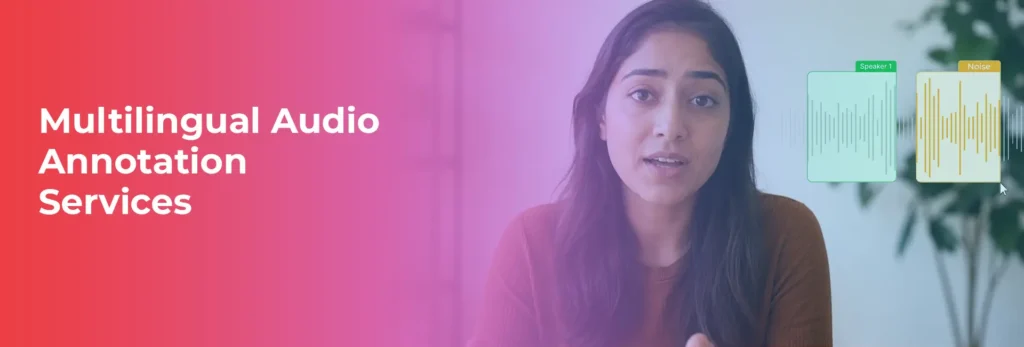
Voice-enabled artificial intelligence is rapidly transforming how businesses operate globally. From smart virtual assistants and voice search to advanced speech analytics and call center AI, speech technology is becoming a foundational element of customer interaction. To make these systems truly effective on a global scale, developers need accurate and diverse training data. High-quality multilingual audio […]
Human Transcription: Why Accuracy Still Matters
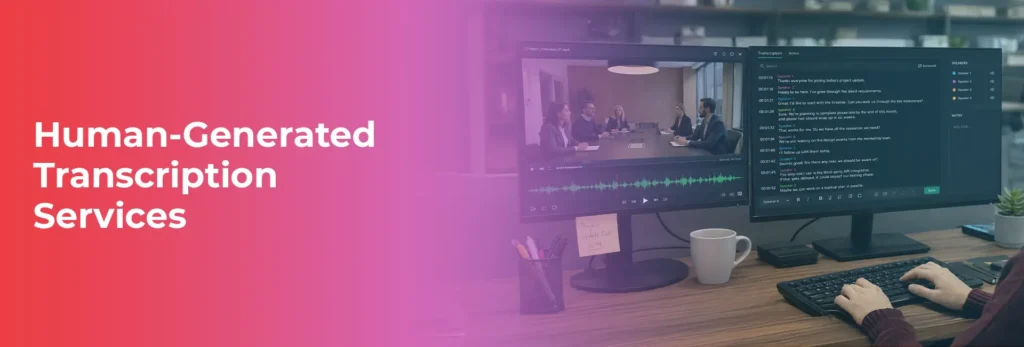
Demand for transcription is growing rapidly across healthcare, legal, media, and enterprise sectors. Organizations generate thousands of hours of audio and video content daily, requiring accurate text records for compliance, accessibility, and analysis. This surge in volume has pushed many companies to seek fast, reliable ways to convert speech into text. Automated speech recognition (ASR) […]
Why is tactile sensing data powering next-gen robotics?
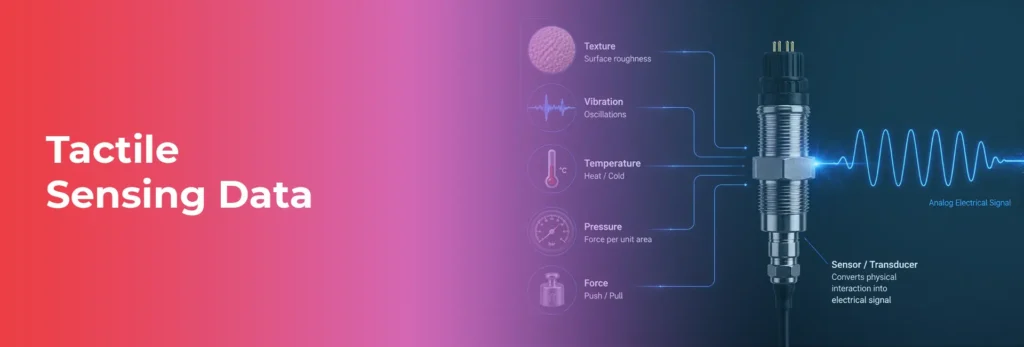
Modern robotics has historically relied heavily on computer vision. Cameras and optical sensors allowed machines to navigate environments, identify objects, and avoid obstacles with impressive accuracy. However, visual input alone cannot capture the full physical reality of an environment. Humans intuitively rely on a complex sense of touch to handle objects, adjust their grip, and […]