


Training Embodied AI with First-Person Video for Robotics
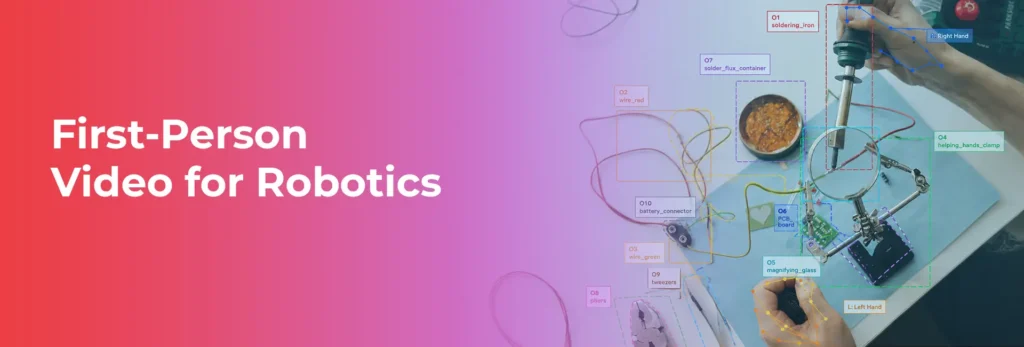
Embodied artificial intelligence marks a massive shift in how machines interact with their environments. Traditional robots follow rigid, pre-programmed instructions to perform repetitive tasks. Modern AI systems, however, need contextual visual perception to navigate unstructured spaces safely and effectively. To achieve this level of autonomy, engineers rely heavily on first-person video for robotics. This approach […]
How Robotics Companies Use Cross-Embodiment Transfer Data?
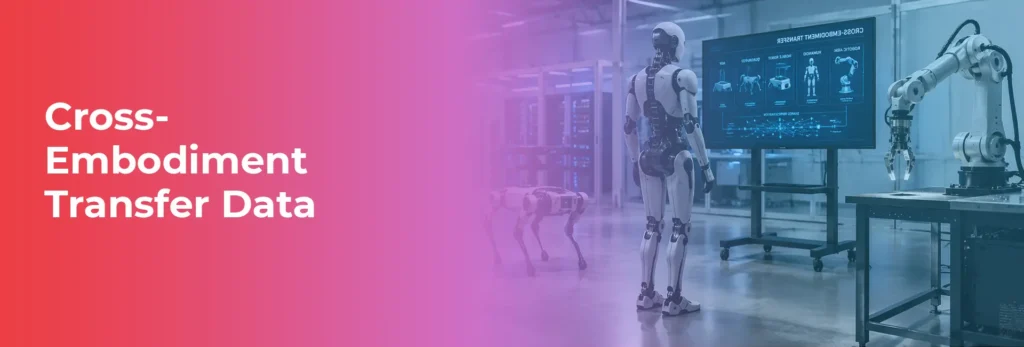
Embodied artificial intelligence is rapidly changing how machines interact with the physical world. Robotics learning relies heavily on vast amounts of training information to teach machines how to navigate spaces and manipulate objects. However, a major bottleneck exists when researchers try to apply knowledge learned by one machine to a different hardware platform. Traditionally, robots […]
Pose Estimation Datasets: The Foundation of Human-Centric AI Systems

Teaching machines how to interpret human movement is one of the most exciting frontiers in computer vision. Algorithms can now track a runner’s stride, analyze factory worker ergonomics, and help robots safely interact with humans. At the core of all these breakthroughs is a foundational element: pose estimation datasets. As industries increasingly rely on automation, […]
Solving Supply Chain Challenges with Warehouse Logistics Datasets

Automation and artificial intelligence are rapidly reshaping the supply chain. Facilities that once relied entirely on human labor and manual tracking now feature autonomous robots, computer vision systems, and predictive software. At the core of this transformation is a crucial element: data. Data is the fuel that optimizes these modern operations. Without accurate information, even […]
Custom Behavioral Cloning Datasets for Robotics: What to Look For
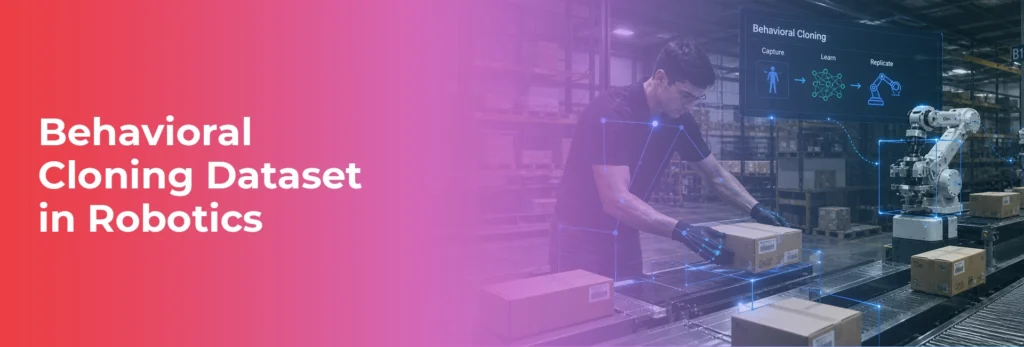
Artificial intelligence has drastically shifted how we program autonomous systems. Instead of writing endless lines of rigid code to govern every possible physical interaction, engineers now teach machines by example. This shift relies heavily on imitation learning, a branch of AI where robots learn to perform tasks by observing experts. At the heart of this […]
Fine-Grained Data: The Key to Precision Robotics

The field of robotics has officially moved past simple, repetitive automation. Modern robots are now expected to execute highly complex tasks that require exact precision and adaptability. Whether a robotic arm is assisting in a surgical procedure, assembling microscopic electronic components, or preparing a meal in a kitchen, these real-world tasks demand extraordinary fine motor […]
Building a High-Quality Robot Perception Dataset

Robot perception serves as the backbone of embodied AI. Without the ability to accurately see, hear, and feel their surroundings, machines cannot interact safely with the physical environment. A robot perception dataset provides the essential sensory inputs—like vision, depth, and tactile feedback—that train these systems to understand the world around them. When developers rely on […]
Bridging Human Motion and Robot Learning with Data

Robotics has experienced a massive shift in recent years, moving away from rigid, rule-based programming toward dynamic, data-driven learning. For intelligent systems to operate seamlessly alongside humans, they need to understand and replicate human actions. Capturing human motion is essential for training these modern AI systems. Historically, developers relied heavily on synthetic data or lab-controlled […]
Fast Track AI: Outsource Robotics Data Collection
The demand for faster robotics AI deployment is surging across industries like logistics, manufacturing, and autonomous systems. Companies are racing to build smarter, more capable robots. However, a major hurdle often slows down these ambitious timelines. Data collection is frequently the biggest bottleneck in robotics AI pipelines. Gathering the massive amounts of high-quality data required […]
How Edge Case Data Boosted Robotics AI Performance by 35%

Robotics AI failures rarely happen under normal, predictable conditions. Instead, they occur in rare, unpredictable scenarios that standard testing environments simply fail to replicate. A warehouse robot might flawlessly navigate clear aisles but completely misidentify a heavily shadowed pallet in a poorly lit corner. This is where edge case data for robotics AI becomes essential. […]