


Building Better Humanoids: The Power of Custom Multimodal Robotics Datasets
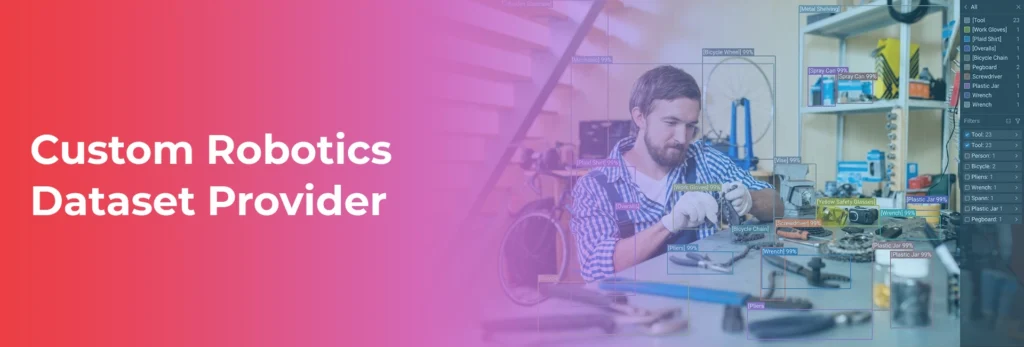
Humanoid robots are rapidly moving out of research labs and into real-world applications. We are seeing these complex machines take on roles in logistics, healthcare, retail, and home assistance. However, creating a robot that can safely and effectively navigate human spaces is an immense challenge. Humanoids require a highly contextual, multimodal understanding of their surroundings […]
How Scene Understanding Data Powers Autonomous Driving
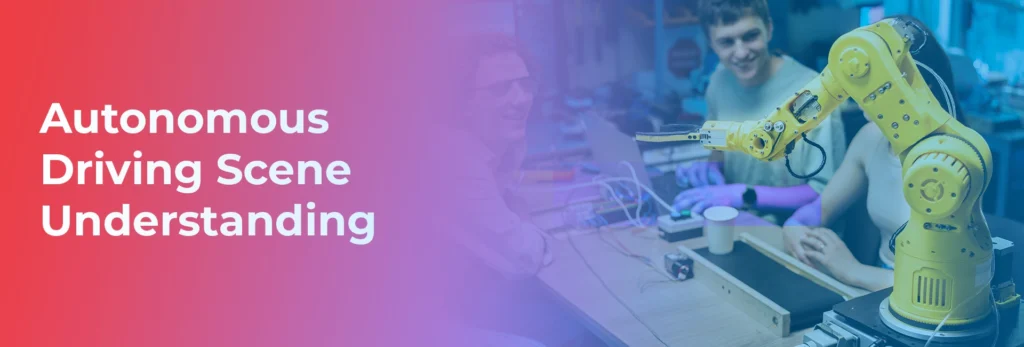
Autonomous vehicles and robots are no longer just experimental concepts. They are actively entering real-world environments. However, a major challenge remains for engineers. Machines must accurately interpret complex, dynamic scenes in real time. This is where Autonomous Driving Scene Understanding becomes a critical capability. It allows machines to comprehend their surroundings rather than just passively […]
From Smart Homes to Warehouses: Data Use Cases in Robotics

Robotics technology is rapidly expanding across a wide variety of environments. We now see intelligent machines operating seamlessly in homes, warehouses, retail spaces, and corporate offices. This widespread adoption relies heavily on one crucial element: high-quality data. Data serves as the foundation of real-world robot intelligence. However, a single, universal dataset cannot train a robot […]
How to Solve the Sim-to-Real Gap in Robotics AI

Building a robot that performs flawlessly in a computer simulation is an impressive feat. Getting that same robot to operate safely and reliably in the physical world is entirely different. When machine learning models trained in virtual environments fail upon real-world deployment, engineers face a frustrating roadblock. This discrepancy is a primary reason why autonomous […]
Multimodal Robotics Datasets: The Future of Perception
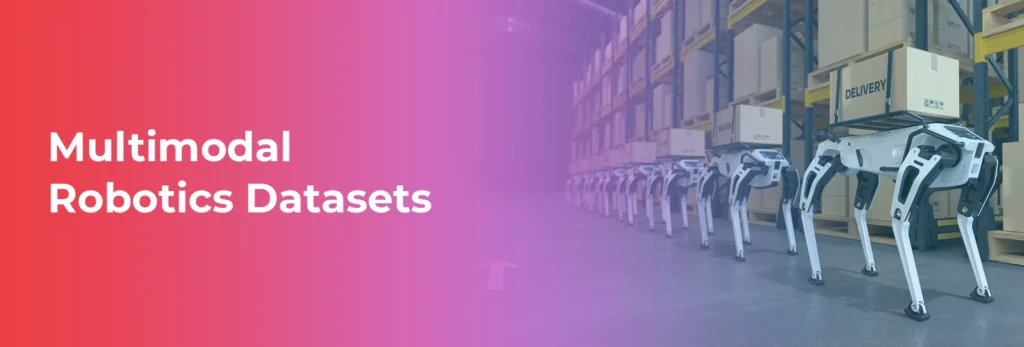
Robots are moving beyond single-sensor intelligence to achieve human-like perception. For years, traditional robotic systems relied heavily on vision-only data. While cameras are incredibly useful, they only capture a fraction of the physical environment. This limitation often prevents robots from fully understanding and interacting with complex surroundings. Multimodal robotics datasets represent the next major evolution […]
Why Egocentric Video Datasets Define Next-Gen Robotics?

Robotics technology has finally stepped out of controlled laboratory environments and into our everyday lives. From autonomous delivery vehicles navigating busy sidewalks to robotic assistants helping in hospitals, machines are increasingly interacting with human spaces. However, this transition exposes a massive challenge: robots often struggle to understand real-world context and unpredictability. The solution to this […]
How Robots Learn by Watching: The Data Behind LfD?
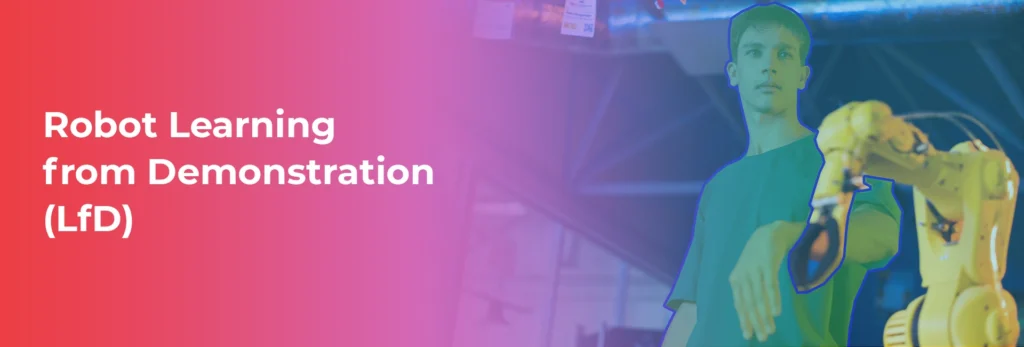
Robots are no longer just programmed with rigid, step-by-step instructions. They are increasingly learning how to interact with the world by simply watching humans perform tasks. This shift is driven by Robot Learning from Demonstration (LfD), a key paradigm in modern robotics that allows machines to acquire new skills intuitively. From assembling complex machinery in […]
Top AI Datasets for Robotics: What You Need in 2026
The robotics industry is experiencing unprecedented growth, largely driven by advancements in embodied artificial intelligence. As machines step out of controlled factories and into our homes, hospitals, and streets, the software powering them must adapt to chaotic environments. An AI dataset for robotics serves as the absolute backbone of this innovation. Historically, developers relied heavily […]
Why Data is the Real Bottleneck in Embodied AI Training
AI is moving off our screens and into the physical world. For years, artificial intelligence lived exclusively on servers and smartphones. Now, it is driving autonomous systems, powering delivery robots, and animating humanoids. This transition from software-only models to physical agents represents a massive shift in how machines interact with human environments. While there is […]
Why Synthetic Speech Data Isn’t Enough for Production AI
The voice AI market is experiencing explosive growth. From virtual assistants and call automation systems to interactive voice bots, companies are racing to build intelligent audio tools. To meet the demand for training information, developers are increasingly turning to synthetic speech data as a fast, highly scalable solution. Because of this rapid adoption, a common […]