


How Egocentric Gesture Recognition Labeling Improves Human-Robot Interaction
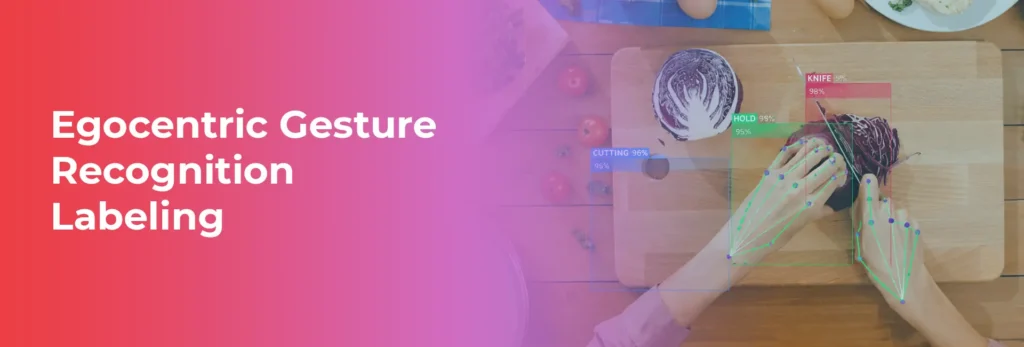
Embodied AI and first-person perception systems are reshaping how machines understand human behavior. As wearable cameras and point-of-view (POV) devices become more advanced, they generate massive amounts of egocentric video data. This unique perspective allows AI models to see the world exactly as a human user does. To make sense of this data, developers rely […]
How Multi-Modal Egocentric Data is Transforming Robot Learning
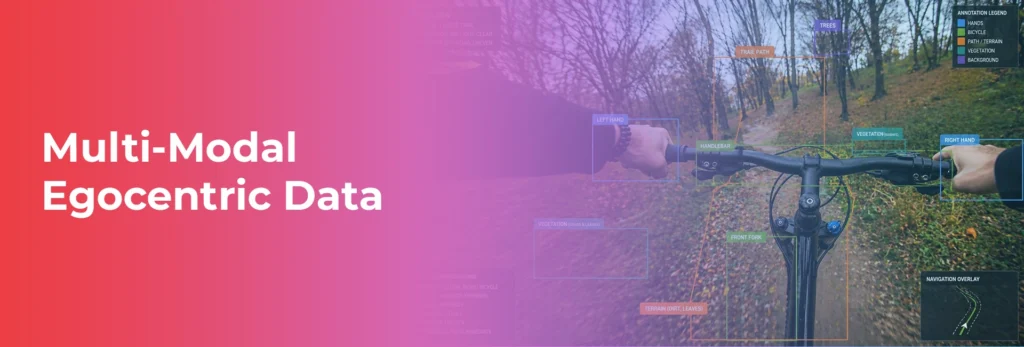
Robots are no longer trained exclusively on static, third-person imagery. Instead, they are learning to view and interact with the world from a human perspective. This shift is driven by Multi-Modal Egocentric Data, a game-changing approach that teaches machines to perform complex tasks by mimicking human actions. Combining vision, motion, audio, and physical sensor feedback […]
Egocentric Data Pipelines for Robot Learning: A Deep Dive
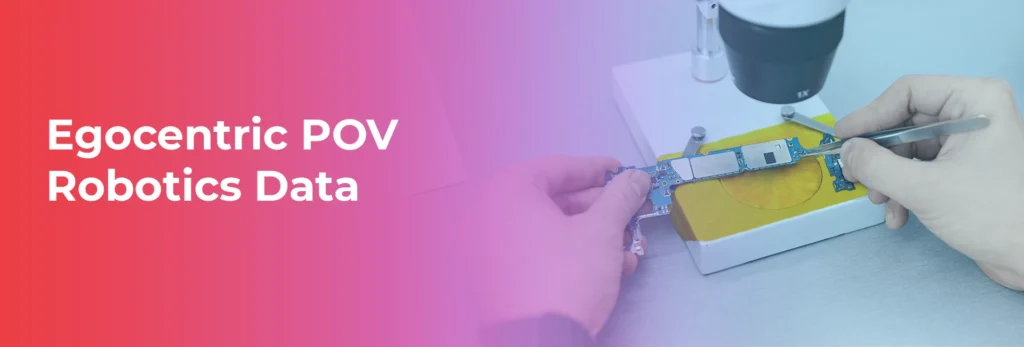
Traditional robot datasets have long relied on third-person or static camera viewpoints. While these perspectives offer a broad view of an environment, they lack the nuanced, task-specific focus required for advanced automation. Modern embodied AI systems now require a first-person understanding of their surroundings. This shift is reshaping how we train machines. Egocentric POV robotics […]
Why Egocentric Video Datasets Define Next-Gen Robotics?

Robotics technology has finally stepped out of controlled laboratory environments and into our everyday lives. From autonomous delivery vehicles navigating busy sidewalks to robotic assistants helping in hospitals, machines are increasingly interacting with human spaces. However, this transition exposes a massive challenge: robots often struggle to understand real-world context and unpredictability. The solution to this […]
What is Egocentric Data Annotation? Use Cases, Challenges & Best Practices
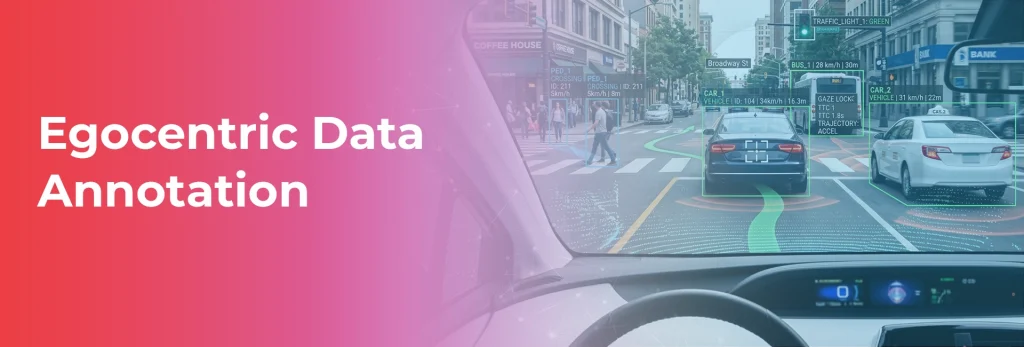
The rapid rise of augmented reality, virtual reality, and wearable artificial intelligence has fundamentally changed how machines observe the world. Historically, machine learning models relied on cameras mounted on walls or static tripods. These provided a distant, third-person view of human activity. As human-centric machine learning advances, developers recognize that this traditional viewpoint is no […]