


3D Body Pose Estimation from Egocentric View: Challenges, Datasets & AI Applications
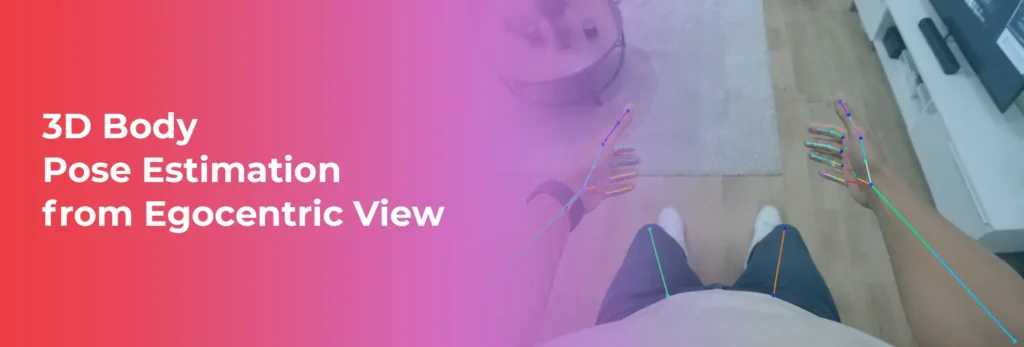
Wearable technology is transforming how artificial intelligence perceives human movement. Historically, AI systems relied on external, third-person cameras to track and analyze physical actions. However, a major shift is occurring. Developers are increasingly focusing on 3D body pose estimation from egocentric view, which analyzes movement directly from the user’s first-person perspective. This shift is crucial […]
How Egocentric Gesture Recognition Labeling Improves Human-Robot Interaction
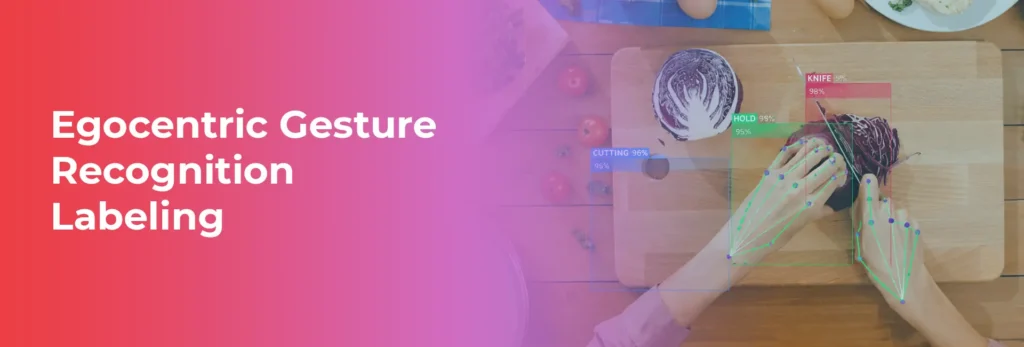
Embodied AI and first-person perception systems are reshaping how machines understand human behavior. As wearable cameras and point-of-view (POV) devices become more advanced, they generate massive amounts of egocentric video data. This unique perspective allows AI models to see the world exactly as a human user does. To make sense of this data, developers rely […]
Training Embodied AI with First-Person Video for Robotics
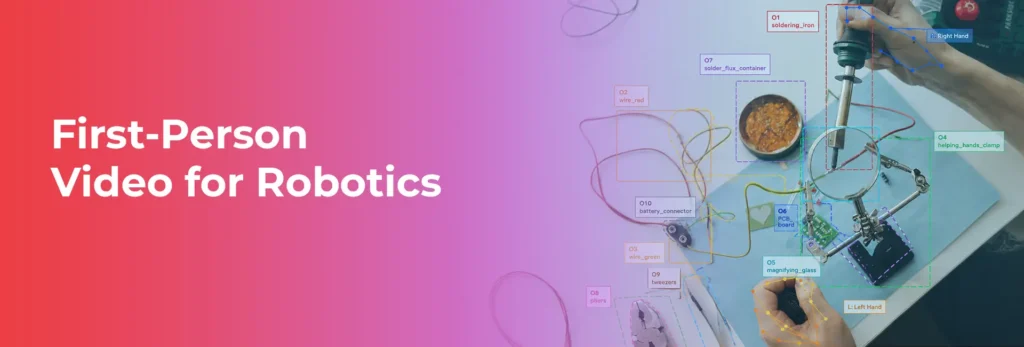
Embodied artificial intelligence marks a massive shift in how machines interact with their environments. Traditional robots follow rigid, pre-programmed instructions to perform repetitive tasks. Modern AI systems, however, need contextual visual perception to navigate unstructured spaces safely and effectively. To achieve this level of autonomy, engineers rely heavily on first-person video for robotics. This approach […]
The secret to smarter robots: Why Humanoid Robot Manipulation Data matters

Advancements in embodied AI and humanoid robotics are rapidly changing how machines interact with the physical world. While early robots were largely confined to rigid, pre-programmed tasks, modern machines require genuine manipulation intelligence to safely navigate and engage with complex, human-centric environments. Without this intelligence, a robot cannot properly grasp objects or assist humans in […]
How Robotics Companies Use Cross-Embodiment Transfer Data?

Embodied artificial intelligence is rapidly changing how machines interact with the physical world. Robotics learning relies heavily on vast amounts of training information to teach machines how to navigate spaces and manipulate objects. However, a major bottleneck exists when researchers try to apply knowledge learned by one machine to a different hardware platform. Traditionally, robots […]
What Is De-Identified Patient Data and Why It Matters for AI?

Healthcare artificial intelligence is growing rapidly, driving an intense demand for high-quality medical data. Doctors and developers alike see the massive potential of machine learning to improve diagnostics, streamline administrative tasks, and personalize treatments. Yet, tapping into patient records brings significant privacy concerns. Healthcare organizations hold highly sensitive information that must remain secure at all […]
How Binary Classification Labeling Improves AI Model Accuracy?

Artificial intelligence models are only as smart as the data they consume. Before a machine learning algorithm can make accurate predictions, it requires a robust foundation of labeled datasets. This process is especially critical for tasks requiring a simple “yes” or “no” outcome. Binary classification labeling is the process of categorizing data into one of […]
Why High-Quality Binary Image Classification Datasets Matter

Artificial intelligence has completely transformed how machines interact with the visual world. Through computer vision, algorithms can now identify objects, analyze scenes, and make decisions based on digital images. A massive part of this capability relies on image classification, which trains AI models to recognize and categorize visual data. Among the various types of machine […]
Binary Classification Datasets: The Core of AI

Artificial intelligence and machine learning models rely heavily on data to make accurate decisions. Before an AI system can recognize a fraudulent transaction or flag a defective product on an assembly line, it needs to learn from existing examples. This learning process often starts with a fundamental concept known as binary classification. In simple terms, […]
Why AI Needs Depth Perception: A Guide to Depth Map Video Annotation

Identifying a pedestrian is one thing, but understanding whether that pedestrian is two meters away or twenty meters away is what makes AI decision-making truly reliable. Traditional 2D video annotation has distinct limitations when building AI systems meant to operate in physical environments. These systems require deep spatial understanding, making distance estimation a critical component […]